
FREE IRAN
*
FREE IRAN *
What is Happening in Iran?
History of Iran’s Protests
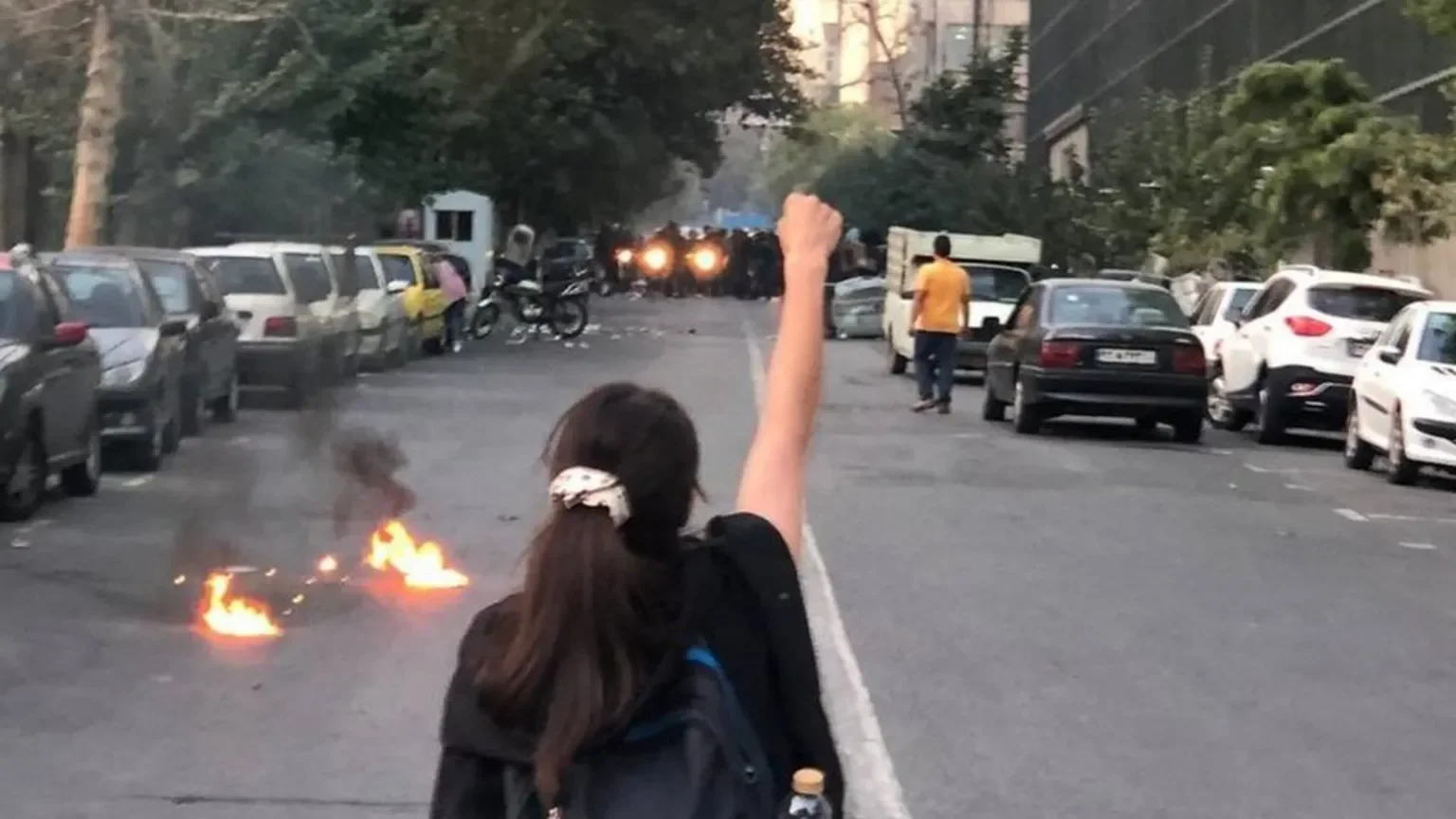
For over 45 years, Iranians have lived under the severely oppressive Islamic Republic, marked by a pattern of political repression, limited civil freedoms, and economic crises. Previous demonstrations by the people have repeatedly been met with censorship, mass arrests, murders, and executions.
2025-26 Protests
In late December 2025, protests began in Tehran after Iran’s currency plunged. What began as economic unrest swiftly grew into a nationwide movement, with demands quickly shifting from economic relief to calls for the end of the Islamic regime.
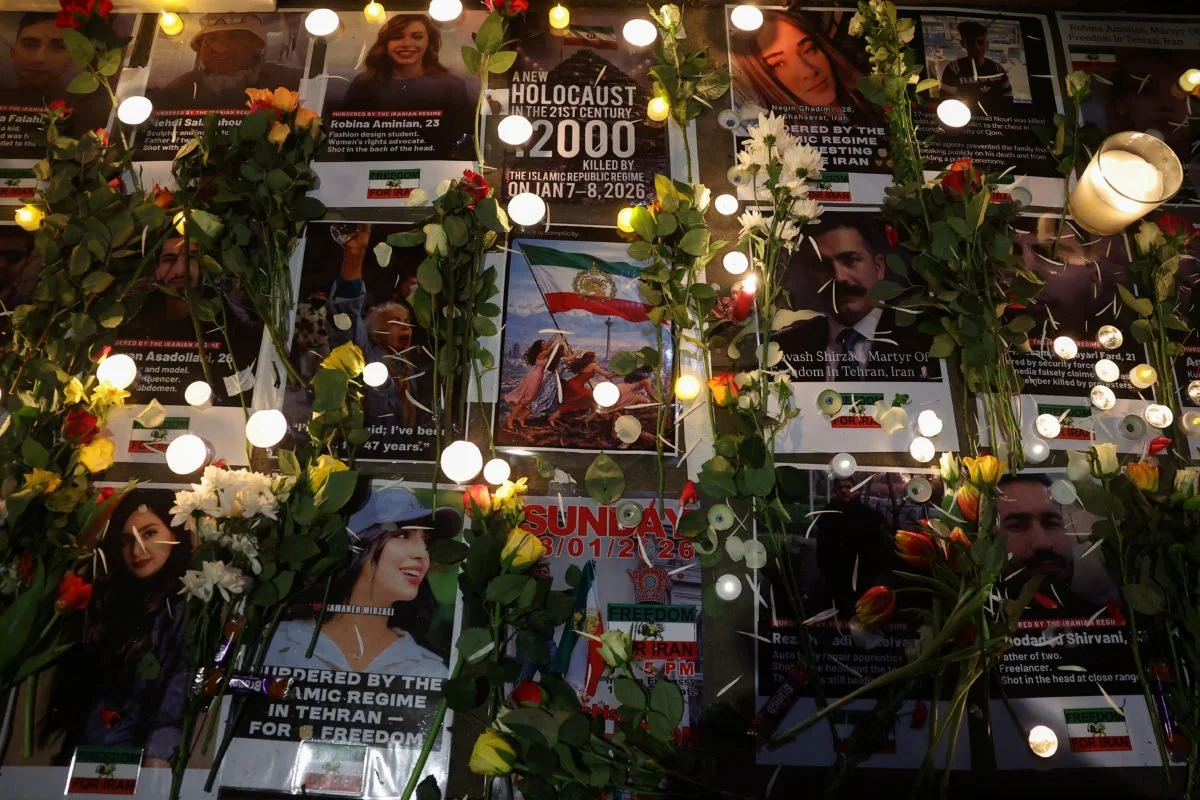
Since January 3rd, 2026, protestors in Iran have been subject to state-sanctioned violence, led by the Islamic Revolutionary Guard Corps (IRGC). The regime severed internet and phone access across the country, cutting Iranians off from one another and the outside world. As the blackout took hold, the IRGC began an intense wave of repression, marked by widespread violence and deadly force. Leaked internal documents indicate over 36,500 civilian deaths occurred during this time, but independent investigations suggest much larger toll.
Why it Matters
This is a humanitarian issue. Peaceful protests and free speech are fundamental rights, not privileges granted by governments. These protests are a collective rejection of over four decades of political tyranny, corruption, and repression, and have been met with human rights violations from the regime.
How to Help
Call for Change
-
Amnesty International: End Protest Massacres in Iran
Action Network: Disinvite Iran Regime FM Araghchi from UN Human Rights Council
-
Engage on Social Media
-
Use and engage with hashtags about the revolution:
#FreeIran #RiseIran #WomanLifeFreedom #IranRevolution #IranProtests
-
Get Involved with IranzVoice
-
Show up at Events
-
Fill out our Volunteer Form
R2P
What is R2P?
The Responsibility to Protect – known as R2P – is an international norm that seeks to ensure that the international community never again fails to halt the mass atrocity crimes of genocide, war crimes, ethnic cleansing and crimes against humanity. It was unanimously adopted in 2005 at the United Nations World Summit, giving it global legitimacy as a framework for collective action by UN member states.
Actions Deemed Necessary by R2P
Iranian authorities must immediately halt all violence against protesters, release those detained for exercising their human rights and ensure compliance with international human rights standards.
The international community must collectively and unequivocally condemn Iran’s crackdown against protesters.
States must address Iran’s long-standing impunity for serious human rights violations and atrocities, including by advancing criminal accountability for Iranian officials allegedly responsible for crimes against humanity.
Reza Pahlavi as a Transitional Leader
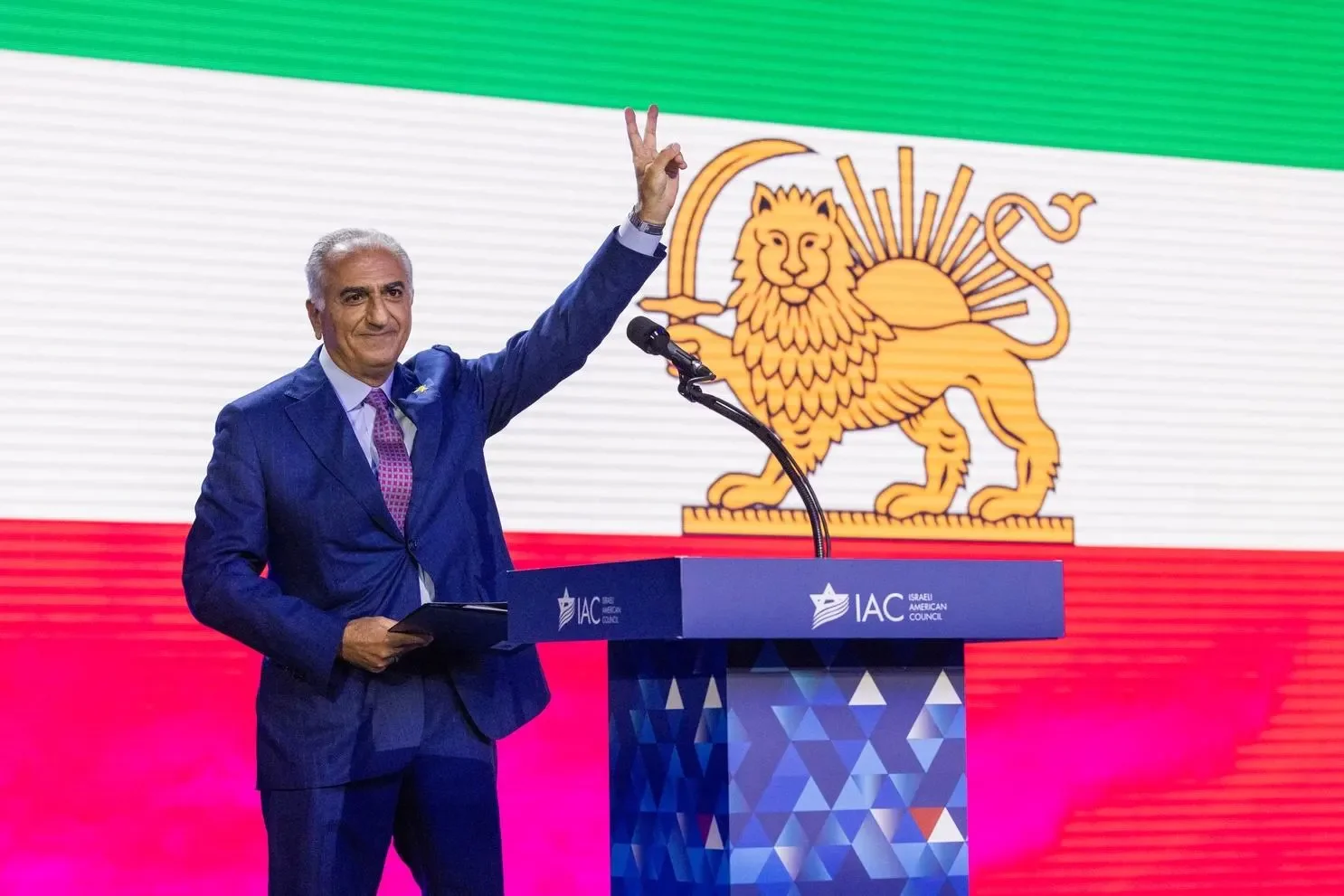
Prince Reza Pahlavi is the eldest son of Iran’s last shah and has lived in the United States since his family’s exile in 1979. From abroad, he has remained a consistent and active advocate for the Iranian people and a vocal opponent of the Islamic Republic.
For many, he not only embodies the Pahlavi legacy, which built the foundations of a modern Iran, but is seen as a unifying figure and facilitator of change. He has stated support for a secular, democratic Iran that is shaped by the people through free and fair processes.
We recognize Price Reza Pahlavi as a transitional figure while firmly supporting a democratic process that ultimately reflects the will of the Iranian people.
Lion and Sun Flag
The lion and sun motif has appeared throughout Iran’s history for thousands of years, predating even the Achaemenid era. In 1906, it was officially adopted as Iran’s flag until 1980, when the Islamic Republic deemed the use of the flag, along with numerous other symbols of Iran’s national identity and heritage, a punishable offense.
Today, the lion and sun flag has re-emerged as a recognizable symbol of historical identity and opposition to the Islamic Republic.
More about Iran
Iran, also known as Persia, is home to 92 million people, making it the 17th-largest country in the world by population and land area. The country maintains a rich and distinctive cultural and social continuity dating back to the Achaemenian period. It is regarded as an early cradle of civilization, with its cultural heritage being one of the most influential in the world.